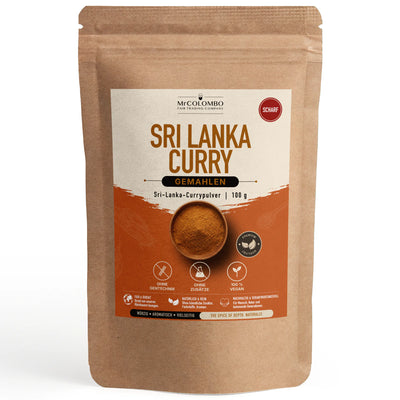
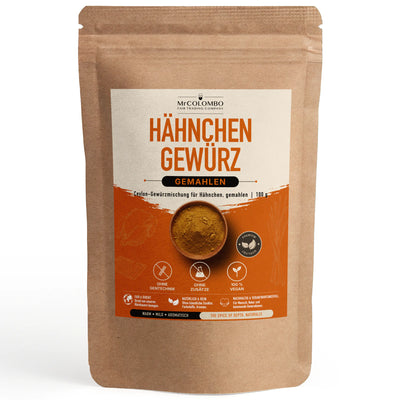
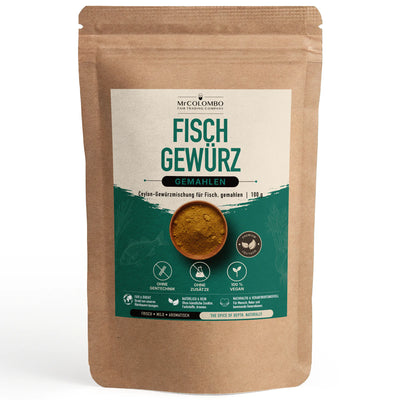
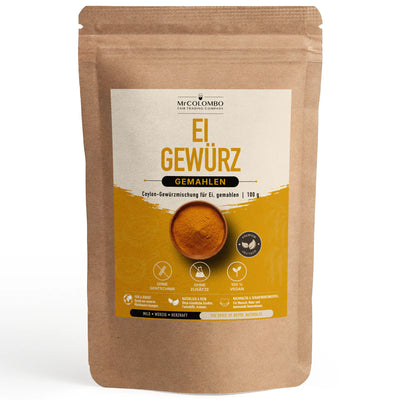



My grandma would have said:
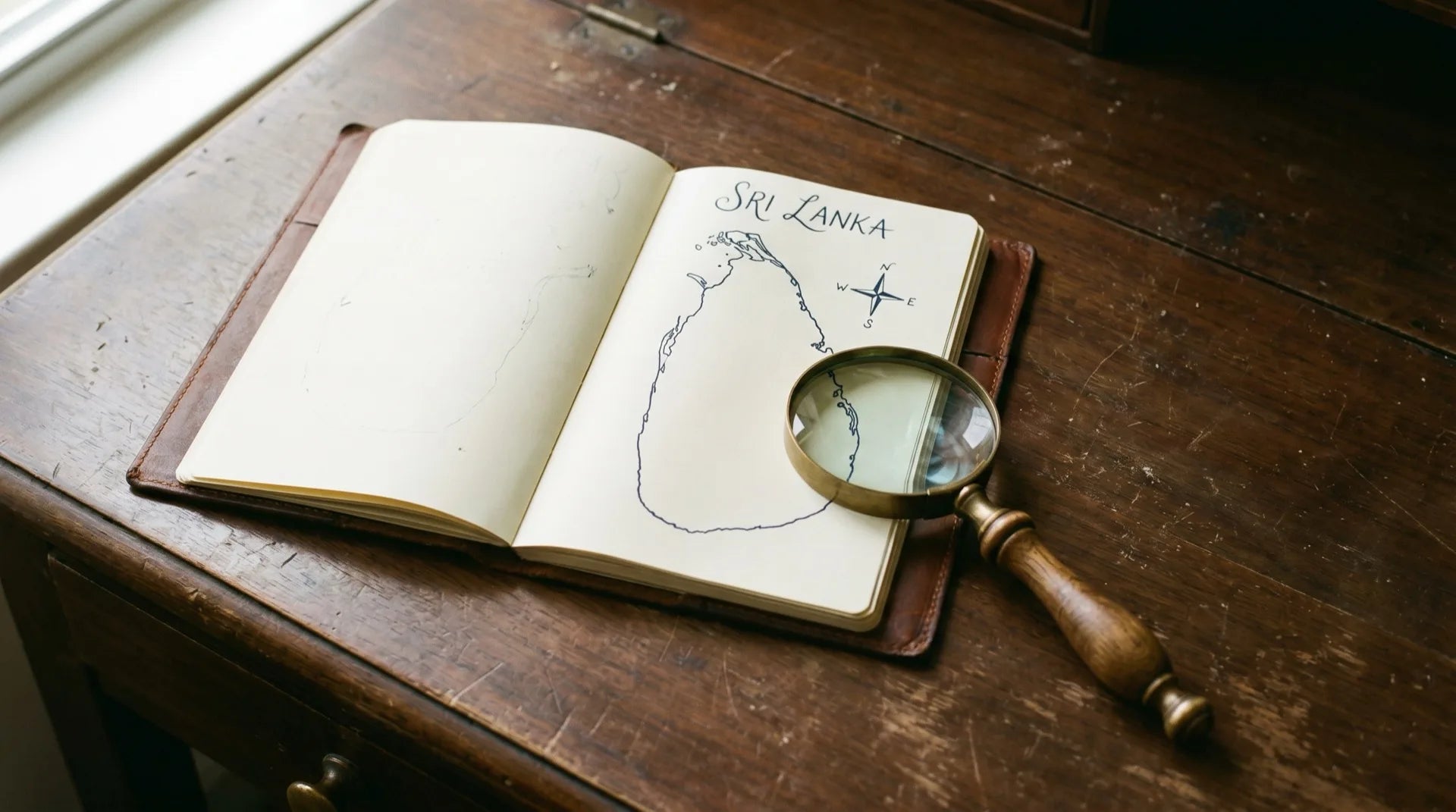
“The soul of our island lies in the spices of Sri Lanka - a story in every grain, a song in every pod.”
Her words stay with me whenever I think of the spice gardens of my homeland. Spices from Sri Lanka are not merely ingredients. They are part of our culture, our history and our everyday life.
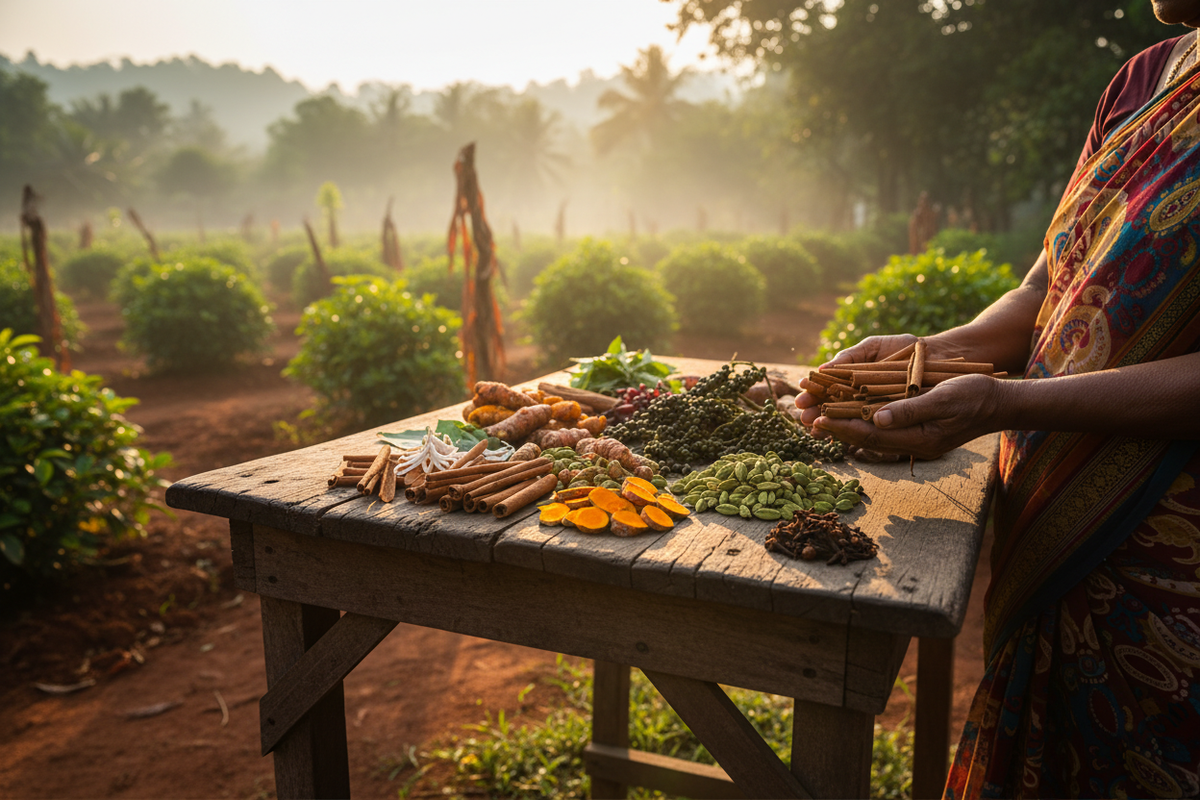
If you want to understand why they taste different, you have to picture the red soil they grow from. The morning dew on the leaves. The tropical sun at midday. Between mist and heat, Sri Lanka's spices develop their characteristic aroma - not in factory halls, but in fields that have been farmed for generations.
The language of spices
Every spice has its own character. It carries traces of the climate, the soil and the way it is grown and processed.
What cinnamon and cardamom tell us about our island
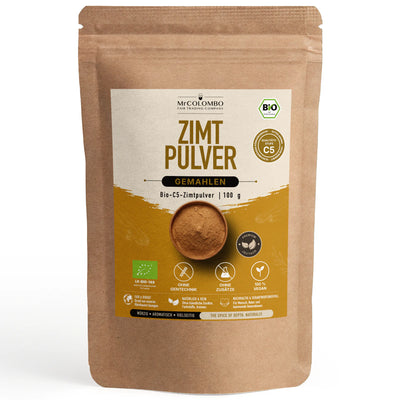
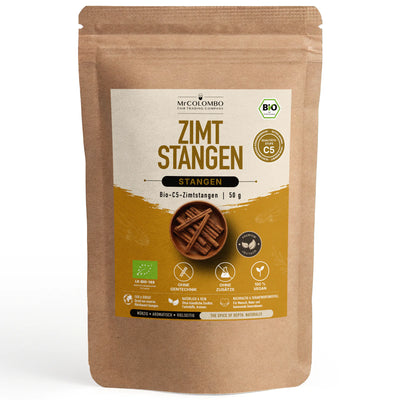
Ceylon cinnamon is fine, mild and slightly floral in aroma. It grows in the more humid regions of Sri Lanka and is peeled by hand in thin layers and rolled into fine, paper-like quills. Compared with cassia cinnamon, it is more delicate in both texture and flavour.
Cardamom thrives in shady valleys. Its scent is fresh and slightly lemony, with a cool, spicy note. Anyone who rubs a pod between their fingers immediately notices how complex this spice is.
Turmeric stands out for its intense yellow colour. It is harvested as a fresh root, boiled, dried and then ground. Its aroma is earthy, slightly bitter and warmly spicy - a staple of many dishes in Sri Lankan cuisine.
Black pepper grows as a climbing plant that winds its way up trees. The berries are picked by hand and dried in the sun. Its flavour is strong, aromatic and multi-layered - with a rounded, lingering heat.
Harvested by hand, dried the traditional way
Spice farming in Sri Lanka is often small-scale. Many families have farmed their land for generations. Every harvest follows natural cycles.
Cloves are picked before the flowers open. Pepper berries are harvested at optimum ripeness. Turmeric roots are carefully lifted out of the earth, cleaned and processed further.
After the harvest, the spices are dried in the open air. They are turned regularly and protected from moisture. This process takes time - and experience.
While large plantations focus on volume, smaller farms often put careful processing first. The result is spices with a clear structure, intense colour and pronounced aroma.
The spice cuisine of Sri Lanka
In Sri Lankan cooking, spices are not simply added - they are roasted, combined and freshly ground to bring out their full aroma.
1. Dhal Curry
A classic lentil dish that shows how spices give simple ingredients depth.
Ingredients:
200 g red lentils
1 onion
2 cloves of garlic
1 tsp turmeric
1 tsp ground cumin
1 tsp black mustard seeds
2-3 dried red chillies
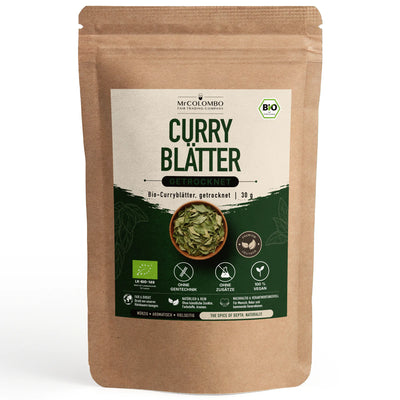
Curry leaves (optional)
400 ml coconut milk
Salt
Toast the mustard seeds in oil until they pop. Add the onions, garlic and chillies and fry until translucent. Stir in the lentils and spices, cover with water and simmer until soft. Finally, stir in the coconut milk and season to taste.
2. Pol Sambol
A fresh coconut relish with chilli and black pepper.
Ingredients:
200 g grated coconut
1-2 red chillies
½ red onion
1 tsp chilli powder
½ tsp freshly ground black pepper
Juice of one lime
Salt
Mix everything together and crush lightly so that the flavours combine.
3. Jaffna curry powder
Every family has its own blend.
Ingredients:
2 tbsp coriander seeds
1 tbsp cumin seeds
1 tsp fennel seeds
1 tsp black peppercorns
1 tsp cardamom pods
1 piece of cinnamon stick
5 cloves
1 tsp turmeric
Dry-roast the whole spices, leave to cool and grind finely. Mix in the turmeric and store in an airtight container.
A piece of Sri Lanka in your kitchen
Spices from Sri Lanka stand for origin, handcraft and traditional processing. They carry within them the aromas of tropical soils and a special climate.
The next time you cook, take a moment. Smell the spices before you use them. Pay attention to colour, texture and scent.
That is how understanding begins - not only of the taste, but of the origin too.