



A journey to northern Sri Lanka
Jaffna
cooks.
A photo journey through the largest market in northern Sri Lanka - with the people who set it up every morning and the pots its ingredients end up in each evening.
To the featureIf you want to understand Sri Lanka, start at the market. Not in the restaurant, not in the temple, not on the beach - at the market. This is where you see how a country eats. This is where everything gets sorted that later ends up in the pots, the temple offerings, the wedding meals, the school lunchboxes.
Jaffna, the largest city in the Tamil north, has its market under a corrugated iron roof. At half past five in the morning the first farmers arrive from the hinterland. By seven the first sacks are open. By ten the hall is so full you can only squeeze sideways through the aisles. This market has been the region's meeting place for over a hundred years. What happens here is not folklore - this is Sri Lanka, every day.
We at MrCOLOMBO do not source our spices from this hall. Our turmeric, our pepper, our Ceylon cinnamon come from partner families in three growing regions with whom we have fixed agreements. But anyone who wants to understand where our spices come from needs to know the world they are embedded in. This feature is our invitation into exactly that world.

Women keep the market alive
Three generations, one stall.
At the market in Jaffna the men sell the heavy goods - sack goods, rice, millet, coconuts. But the daily trade in spices, pulses and fresh vegetables is run by the women. Many have sat here since their youth. Some took over their spot from their mother, some from their mother-in-law. Whoever holds the spot passes it on - not out of tradition, but because customers know relationships, not brands.
There are no price tags. There is weighing, tasting, bargaining in Tamil. Whoever buys knows the number of their trader by heart - or knows someone who does. Recommendations travel through families, temple communities, wedding guests. Whoever has bought once at stall 14 comes back. That is not romantic - that is logistics with a face.
What is sold here is regional. Root tubers from the hinterland, dried chilies from the villages around Vavuniya, pulses from the dry zones of Anuradhapura. Three hours' drive north, three hours south - the market draws the harvest together from the whole north of Sri Lanka.
Bridge builder
JR-Janathan shows his home.
JR-Janathan Rajakumar was born in Jaffna in northern Sri Lanka and came to Germany at the age of seven. Raised in Darmstadt, he returns regularly - to the country whose language he speaks and whose cooking he knows from home. At the market in Jaffna he is not there to shop. He is there to look, to talk, to listen.
When he is there, he walks the rows, asks about families, listens to harvest stories. Who had a good harvest this year? Who lost out because the monsoon took too long? Which young woman took over her mother's stall because she can no longer manage? These are not sales talks - this is family keeping each other up to date.
«I am not a tourist here, not a buyer, not an influencer», says JR-Janathan. «I am the one who left and comes back. When I ask questions, I want answers - and people know that.»

Moving pictures
Jaffna in motion.
Two minutes from the market that JR-Janathan visits every year.
What is sold here
The diversity of natural cooking.
Anyone who has never been to a Sri Lankan market has no idea how many kinds of chili, root tubers and pulses a single stall can carry. Things are not sorted by brand or packaging - they are sorted by season, by colour, by their use in the kitchen.


In Sri Lanka you don't season. You cook. Curry is not a spice - curry is a meal that fetches its ingredients from the market in the morning.
- Saying from the Tamil north
What ends up in the pots
Jaffna's cooking in five sentences.
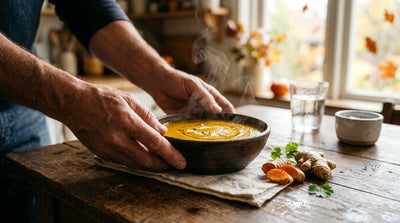
Rice is always there. With at least three side dishes - that is called «rice and curry». But curry here is not a powder from a tin, it is a method: fry onions in coconut oil, add curry leaves, mustard seeds, then the main ingredient. What was fetched from the market during the day is the star in the evening.
No meal without sambol. Sambol is the red paste of chilies, onions, grated coconut and lime that belongs with every rice dish. Slightly different in every family, every home cook has her own heat level. Whoever is invited to eat in Jaffna does not eat the curry - they eat how she makes sambol.
Pepper is the all-purpose weapon. Over rice, in curry, in stew, sometimes even in the morning tea. Cinnamon, meaning Ceylon cinnamon, is a festive spice - weddings, birthdays, religious celebrations. What grows here is eaten here. Direct sourcing in the truest sense: from the partner family straight into your kitchen.
Whoever cooks in Jaffna does not plan. What is planned is what the season offers. In March there is freshly dug turmeric, in June the first green chilies, in November the dried ones. The market dictates the menu - not the other way round.
This is the world our spices come from. When you open a bag of MrCOLOMBO Ceylon cinnamon, you don't just smell a product - you smell a food culture that has worked exactly like this for centuries.

Generations
Whoever still trades at 70 has something to tell.
There are market traders in Jaffna who would never identify with the word «retirement». They are 68, 72, 75 and get up every morning at half past five to set up their sacks. Not because they have to. But because the market is a social place for them, a meeting point, a piece of identity.
These women know the dry seasons of the last three monsoons. They can tell with a finger whether a peppercorn has a core or is hollow. They know which farmer from which village delivers reliably and which does not. If you ask them for a recommendation, you don't get brands - you get names, villages, seasonal tips.
In younger Tamil Sri Lanka much moves to the cities. Colombo, Negombo, the highlands. Whoever stays in Jaffna stays on purpose. And whoever sits here at the market does not sit out of necessity - but because they are needed.

Relationship
Trust weighs more than contracts.
Whoever trades here has known each other for decades. Contracts in the sense of paper do not exist. Contracts in the sense of mutual commitment happen every week - by handshake, by phone, by recommendation. Whoever was unreliable would no longer be here.
That is exactly why MrCOLOMBO does not buy at the market but directly from the partner families. We want to know every supplier, every family. We want the person who plants our turmeric to know that their root ends up in Darmstadt and does not disappear into an anonymous bulk shipment.
But we learned the values for that here. At this market. Where trade without a face does not work. Where a relationship is worth more than a cheap price.
- 100+ years of market history
- 5:30 market set-up time
- 27 MrCOLOMBO partner families

In the range
From Sri Lanka into your kitchen.
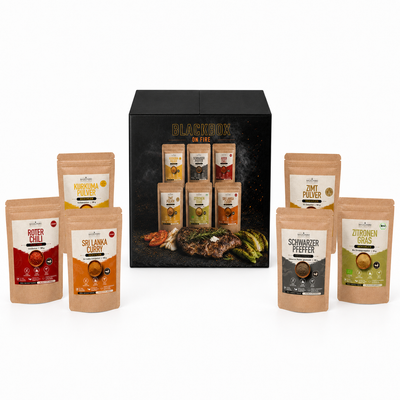
Sixteen single-origin spices from our direct import. Each packed with the knowledge this feature tells.


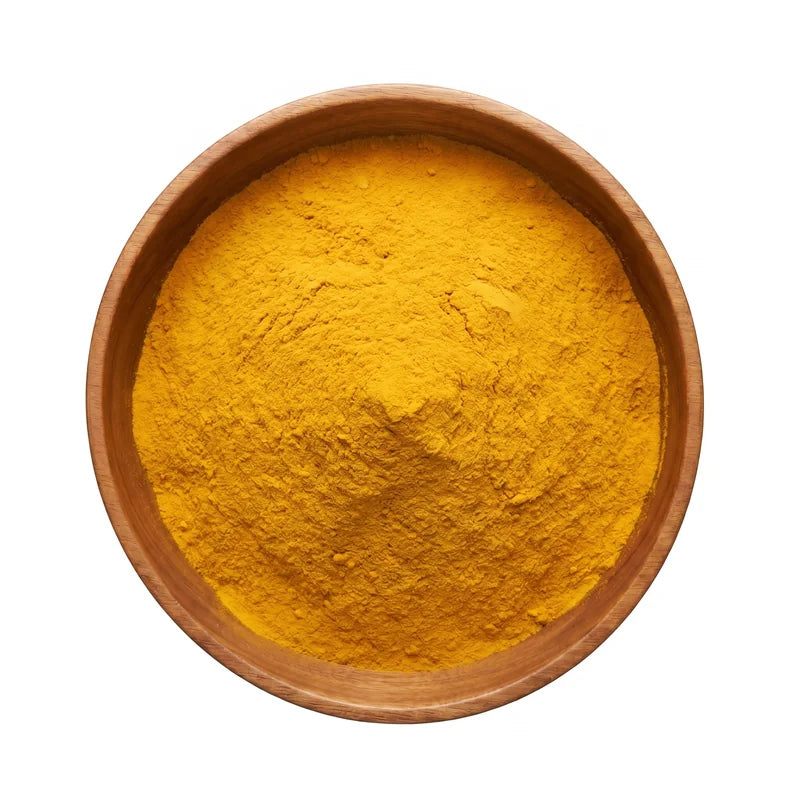

Organic turmeric powder
Sunny yellow from Jaffna - EU organic certified.
Discover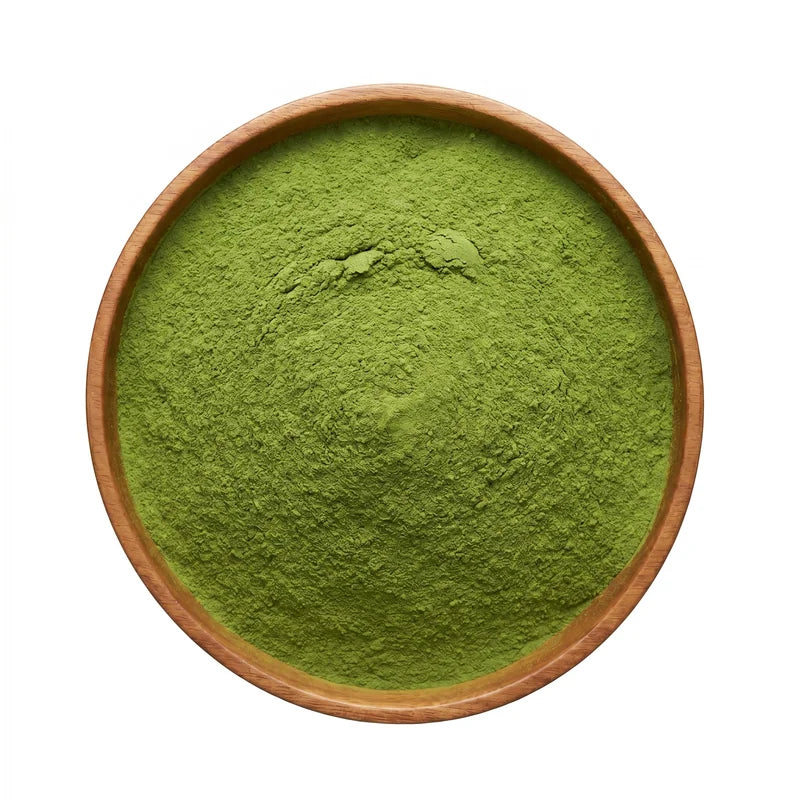
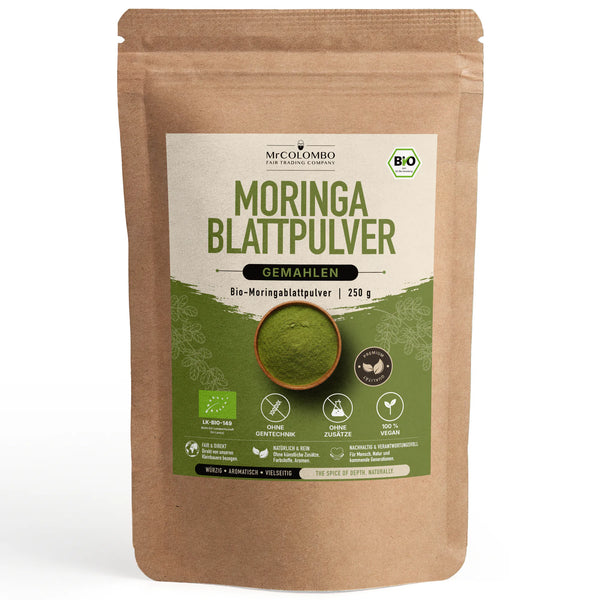
Organic moringa powder
Nutrient-rich superfood powder from Jaffna.
Discover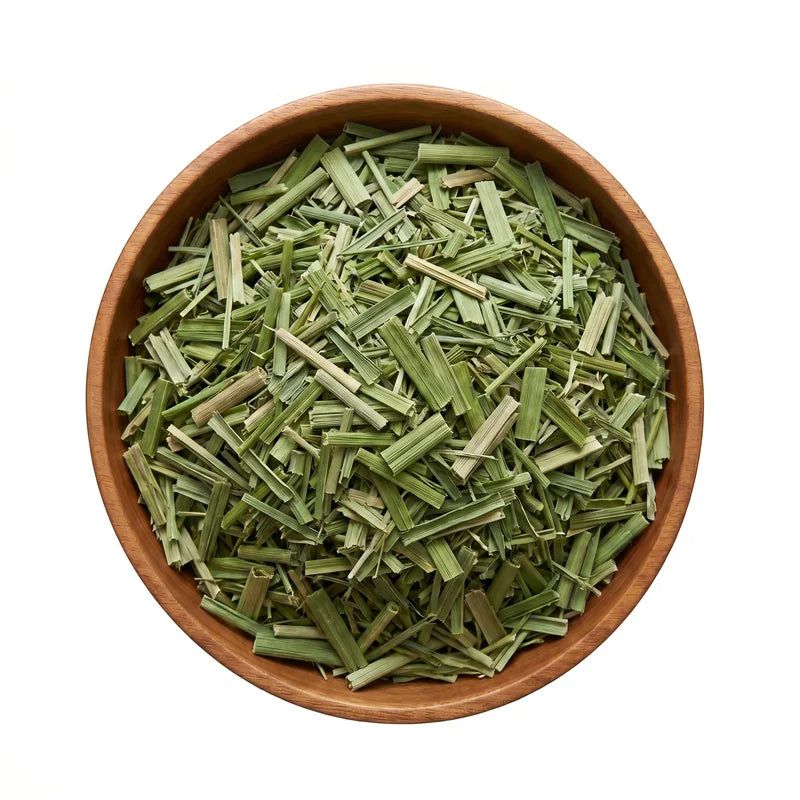
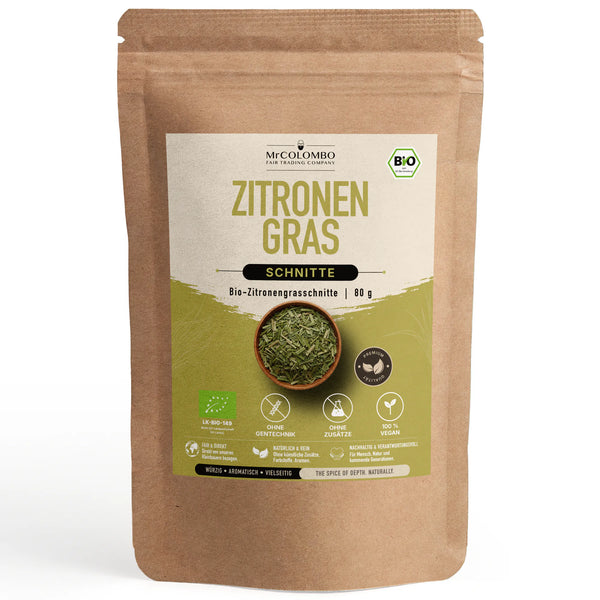
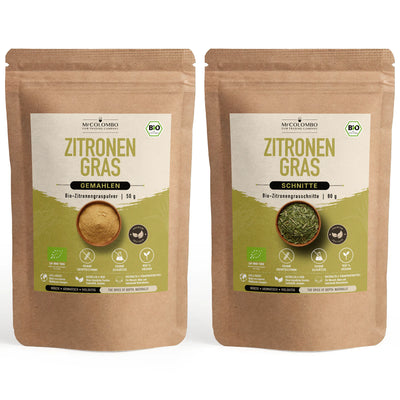
Organic lemongrass, cut
Fresh and citrusy for tea, EU organic from Jaffna.
Discover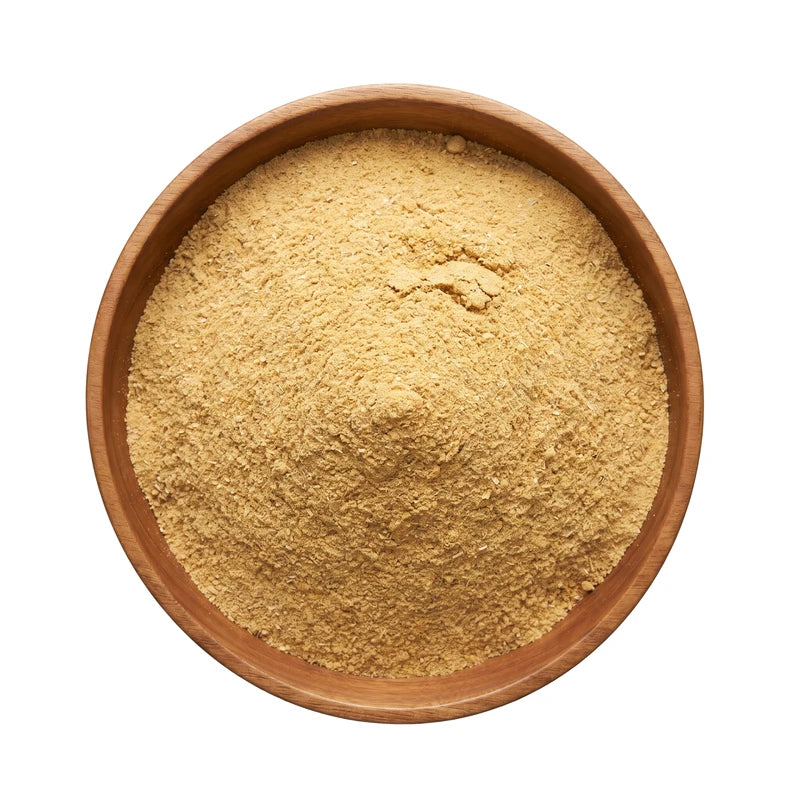
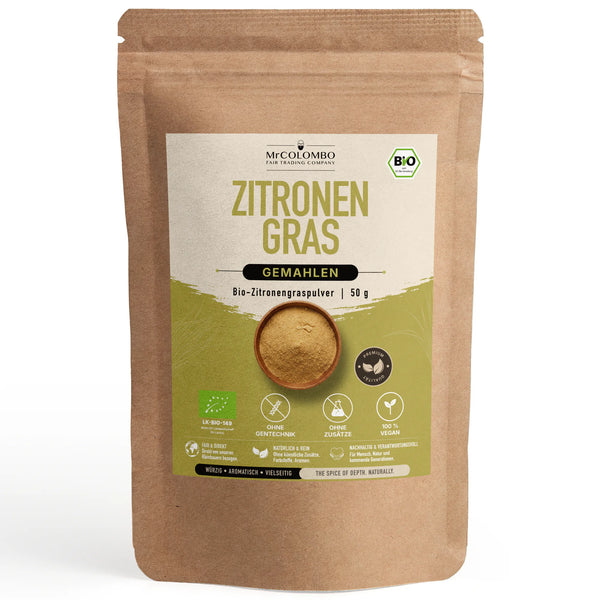
Organic lemongrass powder
Finely ground, EU organic from Jaffna.
Discover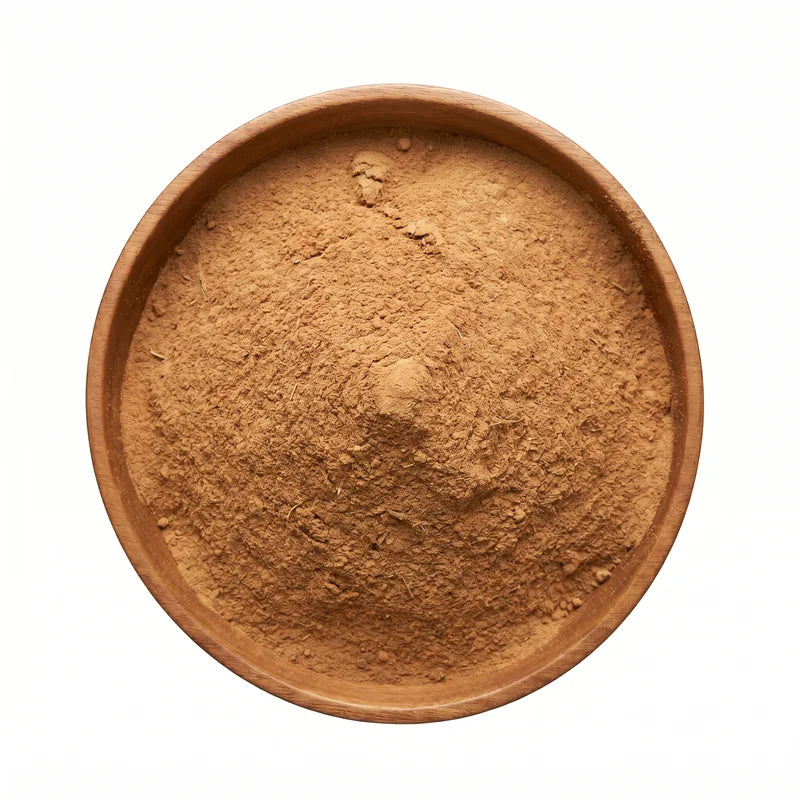
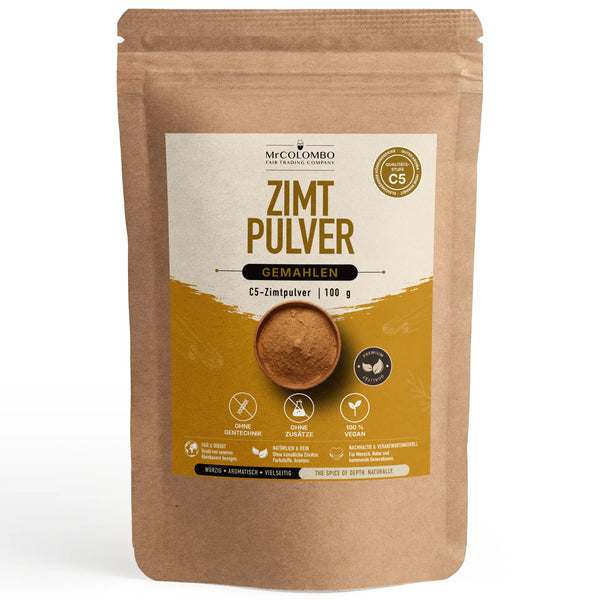
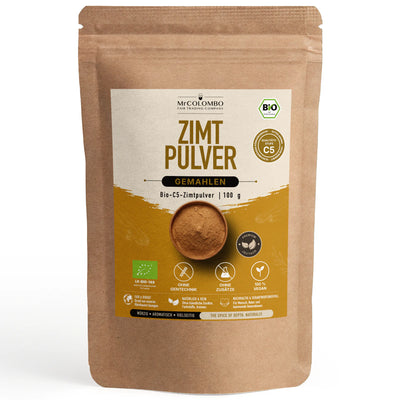
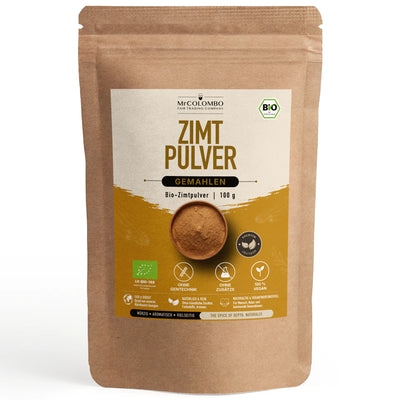
Ceylon cinnamon powder
Delicately spicy, low in coumarin - the true cinnamon.
Discover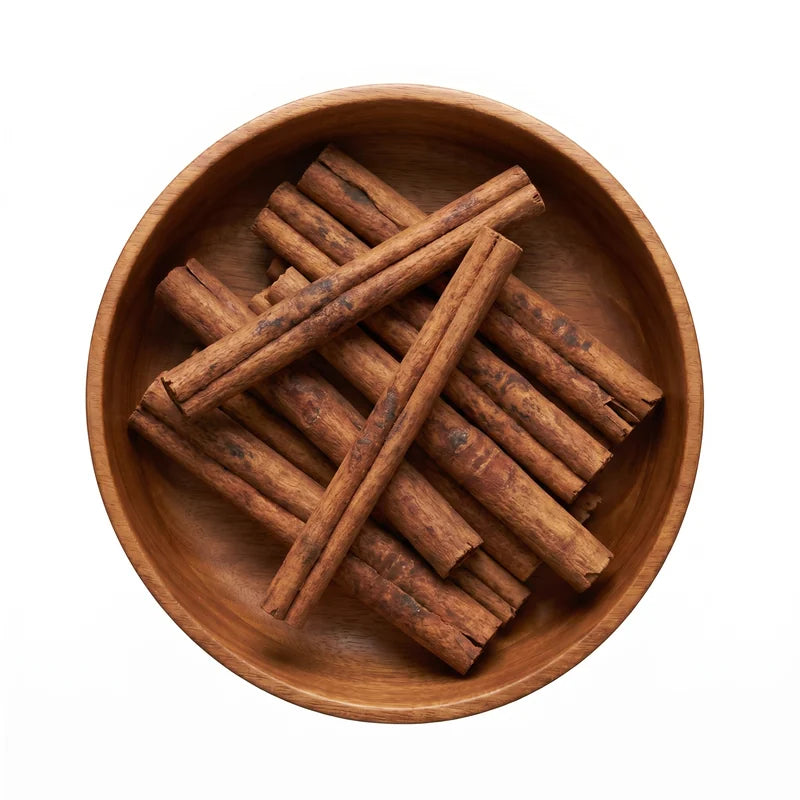
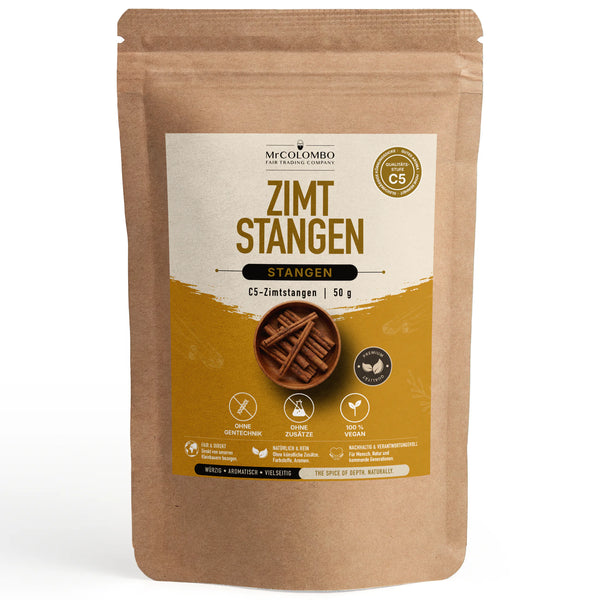
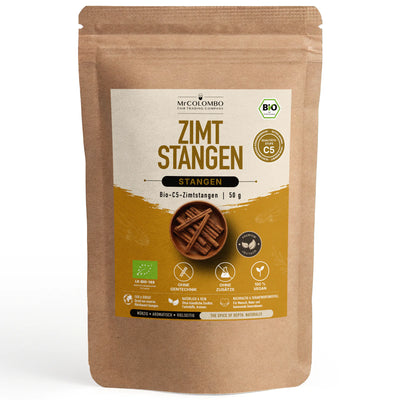
Ceylon cinnamon sticks
Original Cinnamomum verum from the highlands.
Discover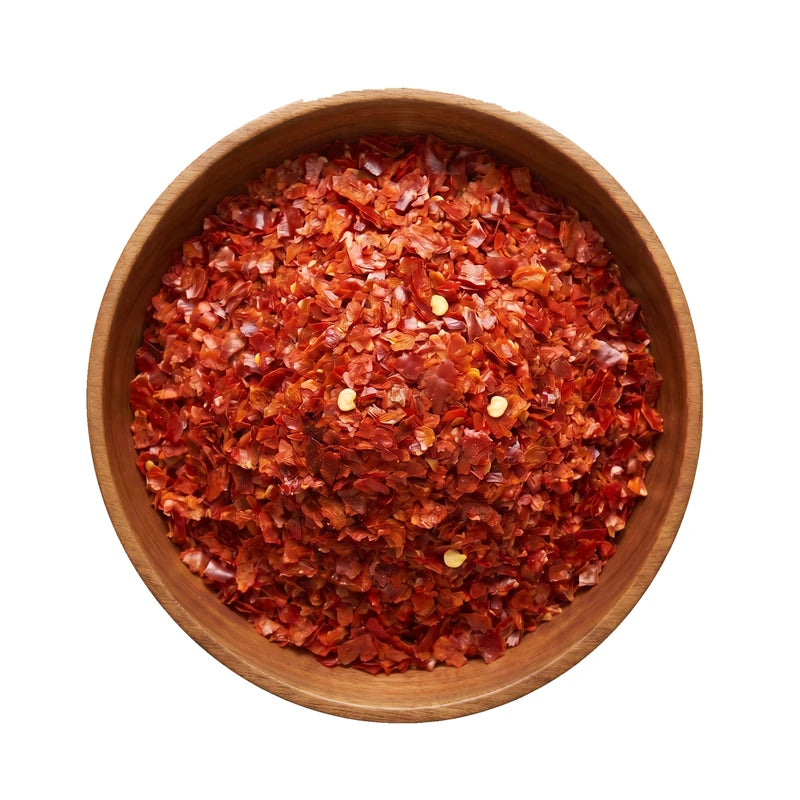

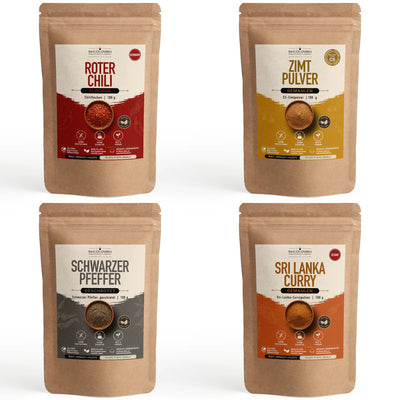
Chili flakes
Bright red, fresh and single-variety.
Discover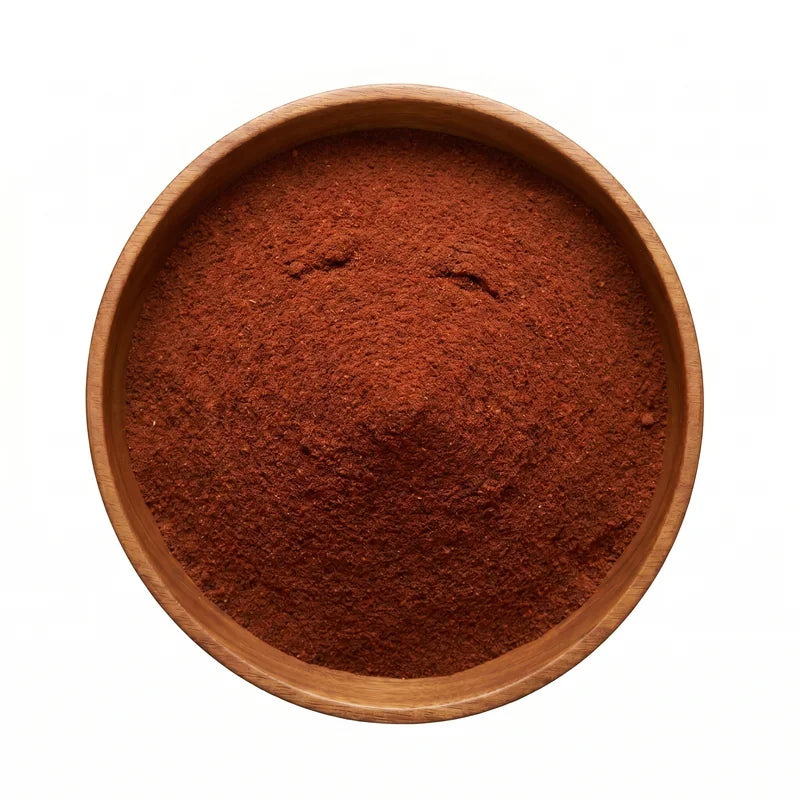

Chili powder, roasted
Aromatic and smoky, fruity heat.
Discover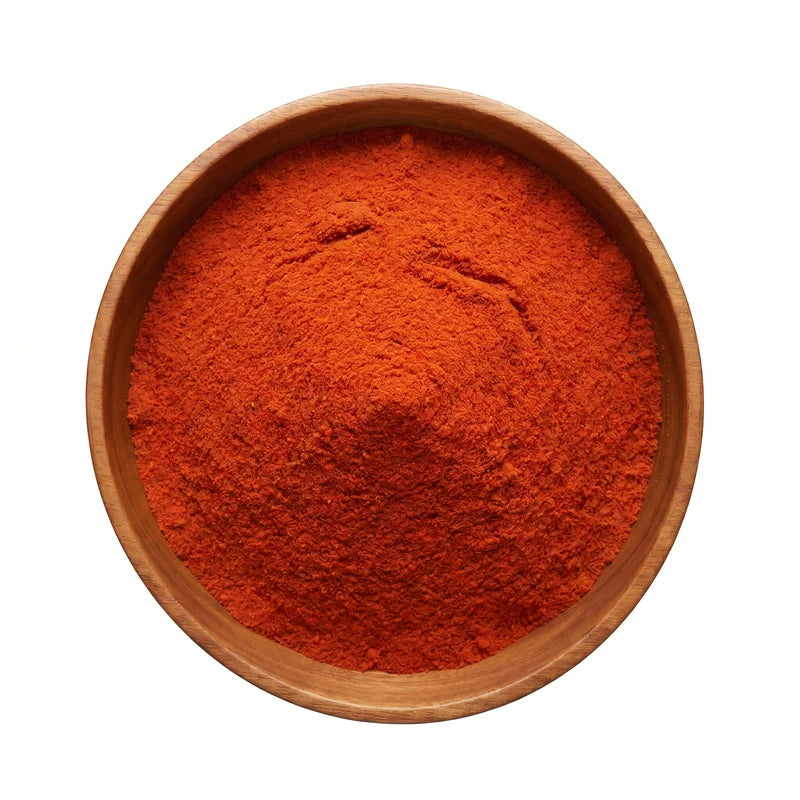

Chili powder, unroasted
Bright red, full of freshness.
Discover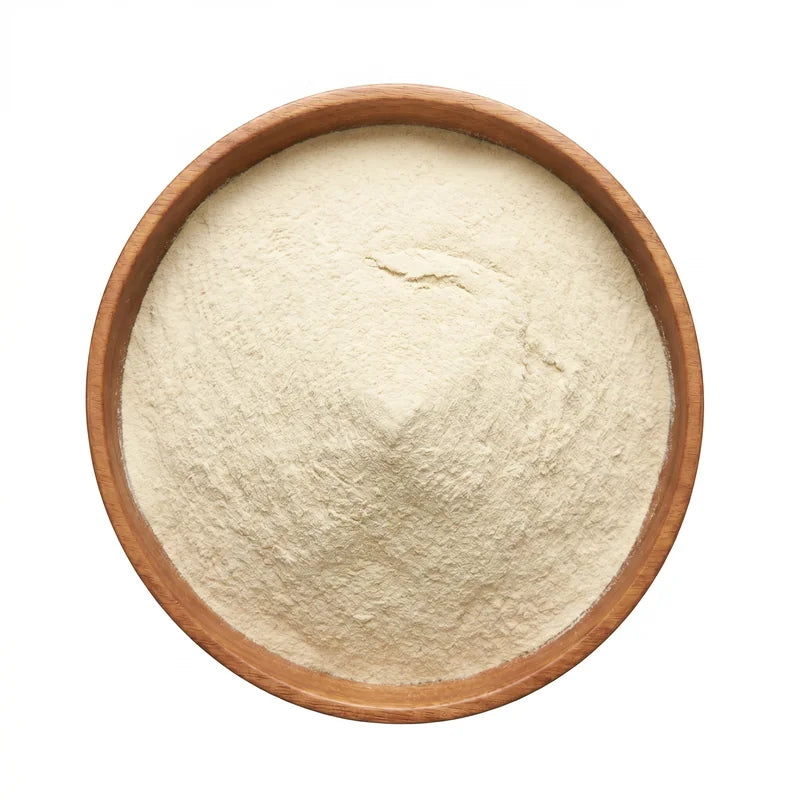
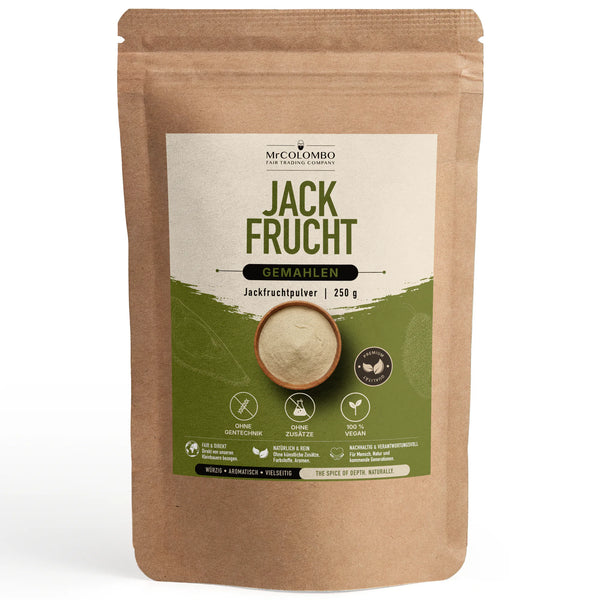
Jackfruit powder
Vegan alternative from Sri Lanka.
Discover
Turmeric powder
Sunny yellow, high curcumin content.
Discover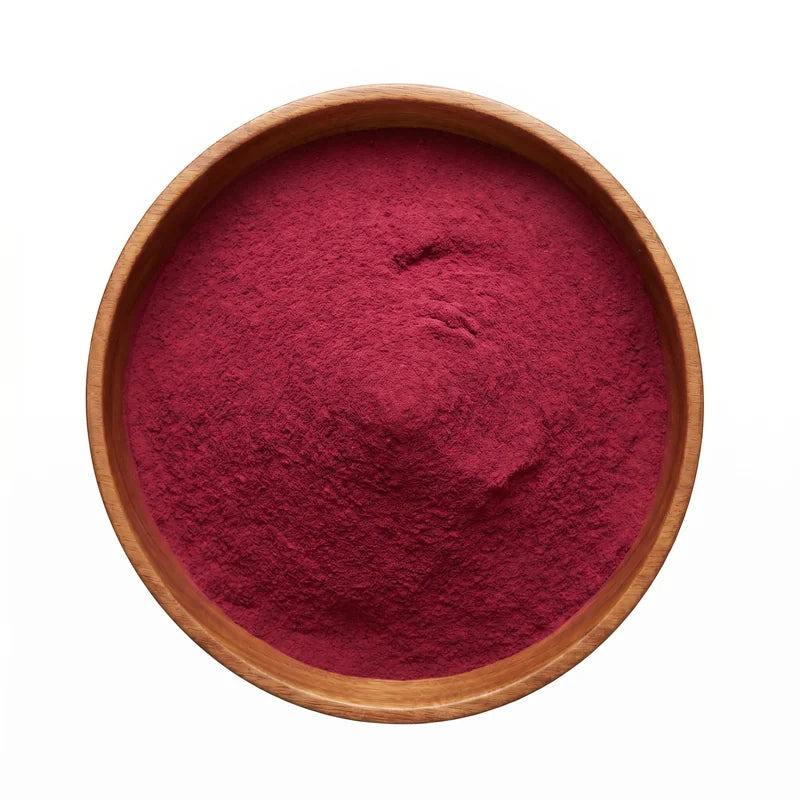

Beetroot powder
Earthy and sweet, full of colour.
Discover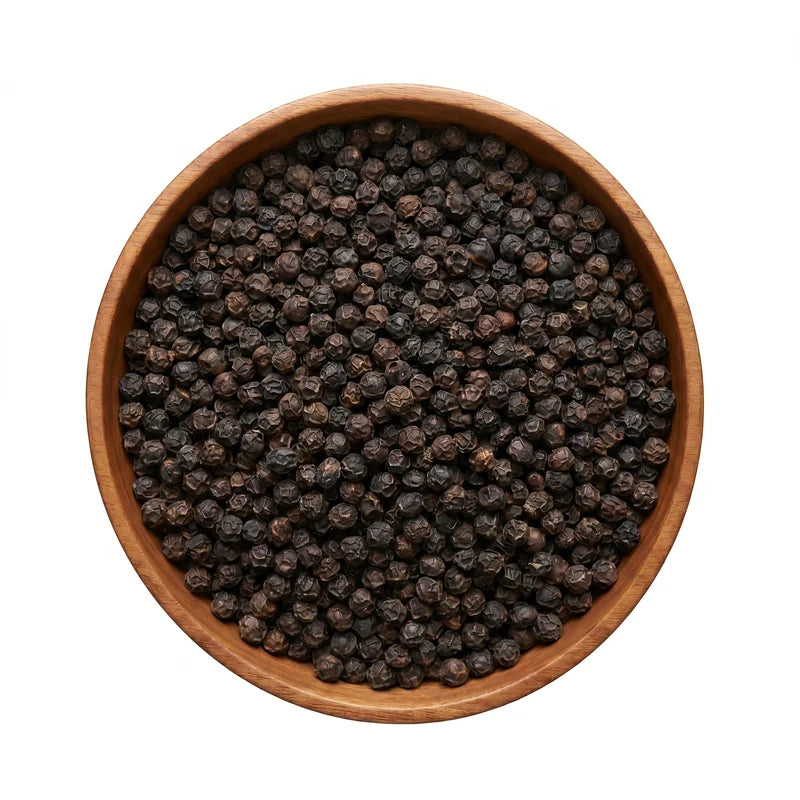

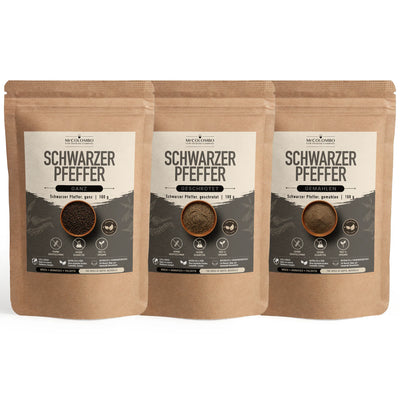
Black pepper, whole
Mineral-rich from the central region.
Discover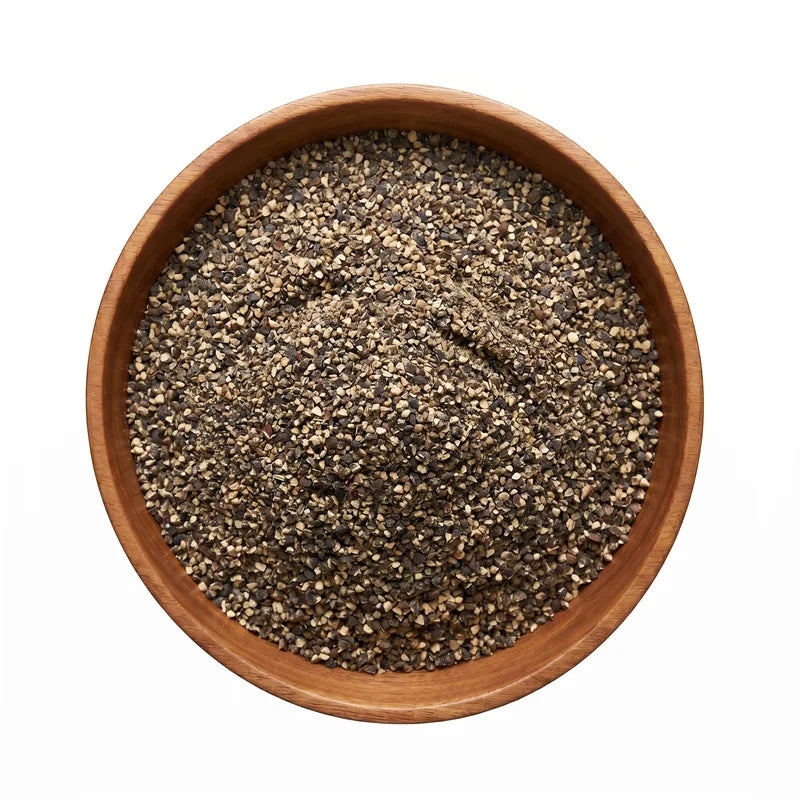

Black pepper, cracked
Coarsely ground, resinous and intense.
Discover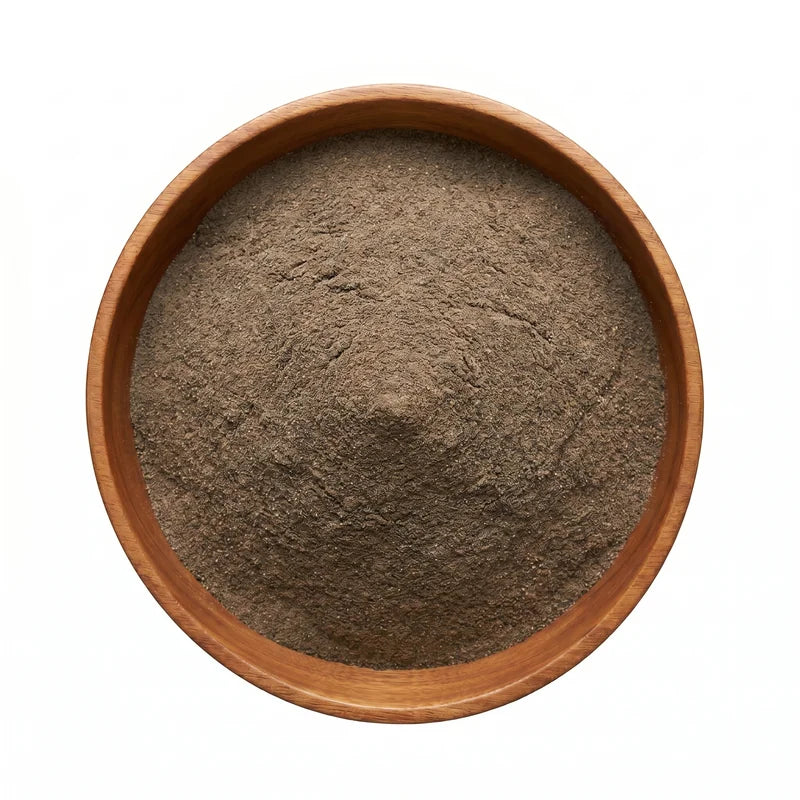

Black pepper powder
Intensely aromatic from the highlands.
Discover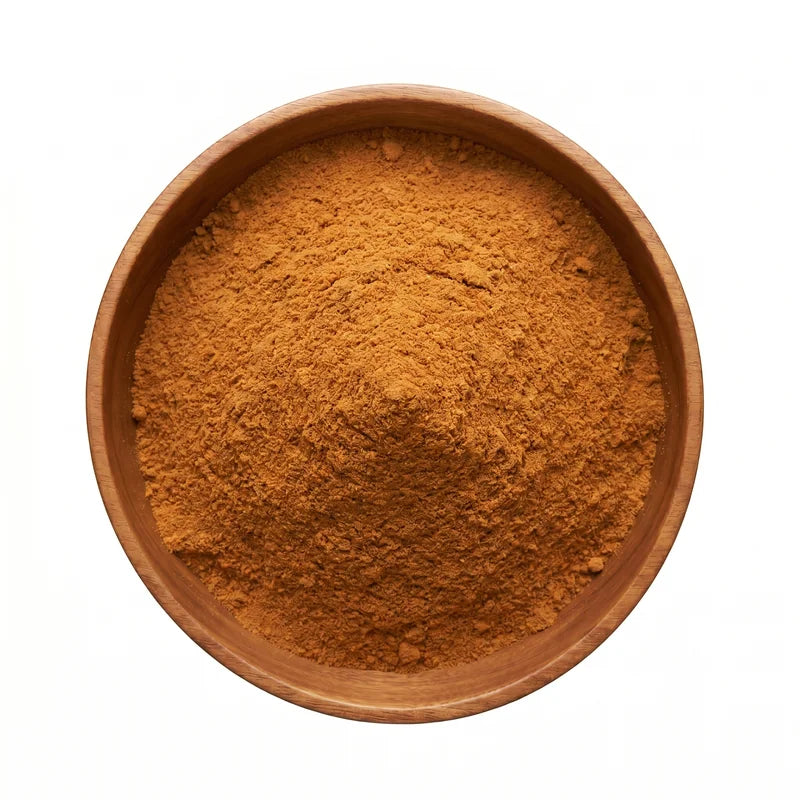
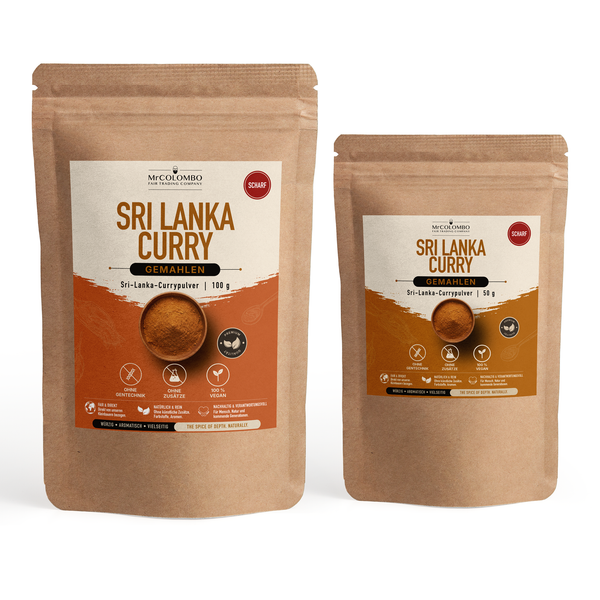
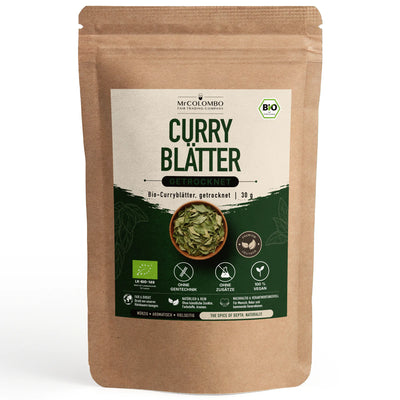
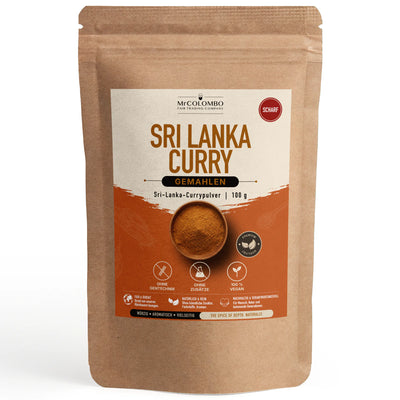
Sri Lanka curry powder
House blend with curry leaves.
DiscoverFrom the partner family into your kitchen
Bring the taste of Sri Lanka home.
Our spices don't come from the Jaffna market - they come from our smallholder families in three growing regions, via local partner cooperatives. But they carry the taste of the world this feature tells of: Ceylon cinnamon, organic turmeric, black pepper, fresh Sri Lanka curry powder. Directly imported. FSSC 22000-certified packing at origin. With the people in mind who keep this country alive from the pots outward.