



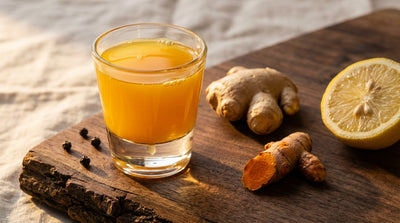


The golden root: your introduction to the world of turmeric
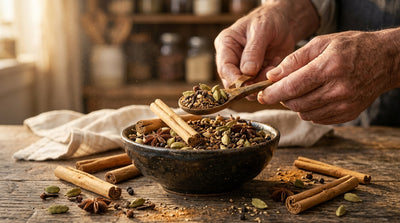
Imagine opening a small paper bag and an intense, earthy scent rising up to meet you. In your hands you hold a bright, orange-yellow powder that has coloured and seasoned food for thousands of years: turmeric. For many people this golden root is still a mystery, an exotic spice gathering dust somewhere on the supermarket shelf between the curry blend and the latest trend product. But in Sri Lanka, turmeric is not a trend; it is a daily companion in the family kitchen.
If you find yourself standing in front of this little root wondering, "What do I do with this?", then you are in exactly the right place. With our turmeric recipes for beginners, we take you on a spice journey that will enrich your kitchen with colours, aromas and stories. No complicated instructions, no unobtainable ingredients, just authentic knowledge that has been passed down from generation to generation.
The basics of cooking with turmeric
Before we dive into the world of recipes, you should understand what makes this unassuming root so special. Turmeric, or Curcuma longa to give it its scientific name, is a relative of ginger and grows mainly in South Asia. What you buy in the shop is usually the dried and ground rhizome (rootstock) of the plant.
In Sri Lanka we call it "Kaha" and use it not only for seasoning but also as a natural colouring agent. Its characteristic flavour is slightly bitter, earthy and warm, with a subtle peppery note. On its own it can sometimes be overwhelming, but in combination with other spices turmeric unfolds its true magic.
The right dosage and activation
The most common mistake made by turmeric newcomers? Too much of a good thing. The golden rule is: start small. A quarter to half a teaspoon is perfectly sufficient for most dishes serving 2-4 people. Turmeric is not a background spice; it wants to be noticed.
Another secret: turmeric needs fat and heat to develop its full aroma. In Sri Lanka we begin many dishes by briefly sweating turmeric in a little oil or ghee (clarified butter). This "activates" the spice and prevents that raw, sometimes dusty taste.
And one more important thing: in many traditional recipes, turmeric is almost always combined with black pepper. This pairing is an integral part of South Asian cooking.
Simple everyday recipes with turmeric
Now let's get practical. Here are a few simple ways to bring turmeric into your everyday cooking without having to become a master chef overnight.
Turmeric rice A perfect starting point. Serves 2:
1 cup basmati rice
1/4 teaspoon turmeric
1 tablespoon ghee or vegetable oil
1/2 teaspoon cumin seeds
1 small onion, finely chopped
Salt to taste
Heat the ghee in a saucepan, add the cumin seeds and let them release their fragrance. Add the chopped onion and fry until translucent. Sprinkle in the turmeric and stir for 30 seconds. Add the rinsed rice, toast it briefly, then pour in twice its volume of water. Season with salt to taste, bring to the boil and simmer over a low heat for about 15 minutes until the water has been absorbed.
Turmeric hummus A golden take on the classic:
1 tin chickpeas, rinsed and drained
2 tablespoons tahini
Juice of half a lemon
1 clove of garlic
1/2 teaspoon turmeric
3 tablespoons olive oil
Salt and freshly ground black pepper
A little water as needed
Put all the ingredients in a blender and blend to a creamy paste. If necessary, add a little water to reach the desired consistency. Drizzle with olive oil and dust with a pinch of turmeric.
Turmeric scrambled eggs A sunny breakfast:
4 eggs
1/4 teaspoon turmeric
1 tablespoon butter
2 tablespoons fresh herbs (chives, parsley)
Salt and pepper
Whisk the eggs and stir in the turmeric, salt and pepper. Melt the butter in a frying pan, pour in the egg mixture and let it set, stirring occasionally. Sprinkle with fresh herbs.
The perfect golden milk magic
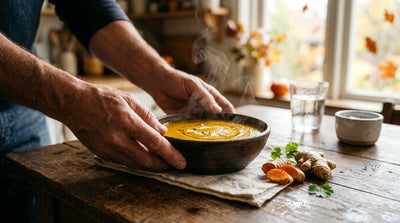
"Golden milk" or "turmeric latte" is perhaps the best-known turmeric drink in the West. In Sri Lanka and India we have known a similar preparation for centuries as ‘Haldi Doodh’ - a warm spiced drink that often comes to the table in our homes on cold evenings:
Traditional golden milk Makes 2 cups:
500 ml milk (or plant-based milk)
1 teaspoon freshly grated turmeric root or 1/2 teaspoon turmeric powder
1/4 teaspoon freshly ground black pepper
1/2 teaspoon ground cinnamon
1/4 teaspoon ground cardamom
1 slice fresh ginger
1-2 teaspoons honey or coconut blossom sugar
1 teaspoon ghee or coconut oil
Combine all the ingredients except the sweetener in a small saucepan and heat slowly. Remove from the heat just before it comes to the boil and leave to infuse for about 5 minutes. Pour through a fine sieve, sweeten with honey or sugar and serve immediately.
The secret lies in the slow heating - this allows the essential oils of the spices to unfold at their best.
Turmeric beyond curry
Many people automatically associate turmeric with curry, but the golden root can do so much more. Here are a few surprising uses that might just inspire you:
Turmeric honey A simple traditional blend:
2 tablespoons raw honey
1/2 teaspoon turmeric powder
1 pinch black pepper
Mix everything together well and, if you like, let a teaspoonful slowly melt in your mouth.
Turmeric face mask For radiant skin:
1 teaspoon turmeric powder
1 tablespoon yoghurt
1 teaspoon honey
Mix into a paste, apply to cleansed skin and wash off after 15 minutes. Careful: turmeric can stain, so use old towels!
Turmeric dressing Perfect for salads or grilled vegetables:
3 tablespoons olive oil
1 tablespoon cider vinegar or lemon juice
1/4 teaspoon turmeric
1/2 teaspoon honey
Salt and freshly ground black pepper
Shake all the ingredients vigorously in a small jar with a lid until emulsified.
Surprising combinations for beginners
Turmeric goes wonderfully with many foods you might not expect. Here are a few combinations that even beginners can easily pull off:
Turmeric banana smoothie An energy-packed start to the day:
1 ripe banana
1 cup almond milk
1/4 teaspoon turmeric
1/2 teaspoon cinnamon
1 teaspoon honey or maple syrup
1 pinch black pepper
Optional: 1 tablespoon almond butter
Blend everything in a blender until you reach the desired consistency.
Turmeric chocolate An unusual but delicious combination:
100g dark chocolate
1/4 teaspoon turmeric
1 pinch sea salt
Optional: 1 pinch cayenne pepper
Melt the chocolate in a bain-marie and stir in the turmeric and salt. Pour onto a baking tray lined with baking paper, leave to cool and break into pieces.
Turmeric popcorn A great film-night snack:
50g popcorn kernels
2 tablespoons coconut oil
1/2 teaspoon turmeric
1/4 teaspoon paprika
Salt to taste
Heat the oil in a large saucepan, add the kernels and let them pop with the lid on. In a separate bowl, mix the turmeric, paprika and salt. Drizzle the hot popcorn with a little oil, sprinkle the spice mixture over the top and shake well.
Turmeric in traditional Sri Lankan cooking
In my homeland of Sri Lanka, turmeric is more than just a spice - it is part of our identity. Almost every curry, every lentil soup and many rice dishes contain a pinch of the golden powder. Here is a simple but authentic recipe from my family kitchen:
Sri Lankan dhal (lentil curry) Serves 4:
200g red lentils, rinsed
1 small onion, finely chopped
2 cloves of garlic, chopped
1 green chilli, deseeded and chopped (optional)
1 teaspoon turmeric
1 teaspoon ground cumin
1 teaspoon coriander powder
400ml coconut milk
Salt to taste
2 tablespoons vegetable oil
1 handful fresh curry leaves (if available)
Juice of half a lime
Bring the lentils to the boil with 500ml water and simmer for about 15 minutes until soft. In a separate pan, heat the oil and sweat the onions until translucent. Add the garlic, chilli and curry leaves and fry briefly. Stir in the turmeric, cumin and coriander and toast briefly until fragrant. Add the cooked lentils along with their cooking water, stir in the coconut milk and let everything simmer for about 5 minutes. Season with salt and drizzle with lime juice before serving.
This dish shows perfectly how turmeric works in our cooking: it lends colour, supports the other spices and binds everything together into a harmonious whole without dominating.
Buying and storing turmeric properly
The quality of your turmeric experience begins with the purchase. Here are a few tips to help you get the best out of this spice:
Buy small quantities Turmeric loses aroma and colour over time. It is better to buy small amounts more often than to stockpile large supplies.
Look at the colour Good turmeric powder has an intense, bright orange-yellow colour. Pale or brownish powder is often old or of inferior quality.
Check the smell Fresh turmeric has an intense, earthy and slightly pungent scent. If it smells of nothing, it is probably old.
Store it properly Turmeric belongs in an airtight, light-proof container in a cool, dry place. Do not keep it above or near the cooker, where heat and moisture can affect the aroma.
Fresh turmeric root If you have the chance, try fresh turmeric root. It keeps in the fridge for about two weeks and can be grated or cut into thin slices just like ginger. The intensity is milder, but the aroma is more complex than that of the powder.
Understanding turmeric: more than just a spice
To truly appreciate turmeric, it helps to know its cultural and historical significance. In India and Sri Lanka, turmeric has been used for over 4,000 years, not only as a spice but also in religious ceremonies.
The yellow colour symbolises purity and good fortune. At weddings, brides often apply a turmeric paste to their skin to create a golden glow and bring blessings.
This deep rootedness in our culture explains why we treat turmeric with so much respect. It is not a trendy "superfood" but a companion through life, a link to our ancestors and their wisdom.
From root to routine: your daily turmeric habit
Now that you know a few recipes and some background, I would like to give you a few practical tips on how to work turmeric into your everyday life with ease:
Morning routine Start the day with a glass of warm water, a teaspoon of lemon juice and a pinch of turmeric on the tip of a knife. For many people this simple mixture is a mindful, warming start to the day.
Turmeric oil Prepare a flavoured oil: heat 250ml good-quality olive oil with a tablespoon of turmeric powder over a low flame for about 5 minutes. Once cooled, pour through a fine sieve and store in a dark bottle. Perfect for drizzling over salads or grilled vegetables.
Spice blend for busy days Mix 2 tablespoons turmeric with 1 tablespoon cumin, 1 tablespoon coriander, 1 teaspoon cinnamon, 1 teaspoon black pepper and 1 teaspoon salt. You can keep this blend in a jar and quickly sprinkle it over stir-fried vegetables, soups or rice.
The golden journey continues
Turmeric is not a trend but culinary knowledge thousands of years old, which we share with you. With these beginner recipes you have taken the first step into a world full of aromas and colours. But as with any spice, the true art lies in finding your own way.
Experiment, adapt, discover new combinations. Perhaps you will find that you love turmeric combined with cinnamon and cardamom, or that it gives your morning smoothie exactly the right note.
Let the root speak for itself - in your kitchen, on your plate, in your life. It has stories to tell of distant lands, ancient knowledge and the connection between food and enjoyment. Listen to it while you cook, and you will understand why this unassuming spice has delighted people all over the world for thousands of years.
The golden root is waiting to enchant your kitchen. Pick it up and let it guide you - from the root straight to your plate.